🪙 2nd Grade · Online practice
Counting Coins Practice
Counting coins is tricky because a coin's size does not match its value. A dime is smaller than a nickel and a penny, but it is worth more than both. Children have to learn the values by name, then add them up.
Fun Math's coin practice uses real coin pictures. One mode asks for the value of a single coin, showing all four coins side by side so their sizes can be compared. The other shows a handful of coins and asks for the total.
Try one
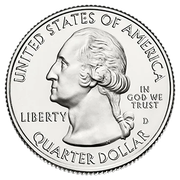
Quarter
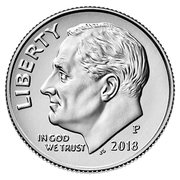
Dime
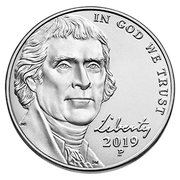
Nickel
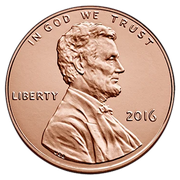
Penny
How many cents in all?
?
Practice online, free
Fun Math has a full counting coins practice mode with new questions every round, read-aloud prompts and a celebration for every right answer.
Looking for printable practice? See the 2nd Grade worksheets.
Worked example
A quarter, two dimes, a nickel and a penny
- Sort the coins from most valuable to least: quarter, dime, dime, nickel, penny.
- Start with the quarter: 25¢.
- Count on the dimes by 10s: 35¢, 45¢. Then the nickel: 50¢. Then the penny: 51¢.
- The total is 51¢.
Common mistakes
- Assuming a bigger coin is worth more. The nickel is bigger than the dime, but the dime is worth twice as much.
- Counting how many coins there are instead of how much they are worth: five coins is not 5¢.
Tips for practicing at home
- Use real coins at home. Sort a handful by type, then count it together.
- Play store with price tags under $1.
- Practice counting by 5s, 10s and 25s, which makes counting coins much faster.
Common Core standards
- 2.MD.C.8
- Solve word problems involving dollar bills, quarters, dimes, nickels, and pennies, using $ and ¢ symbols appropriately.